Island hopping in October: the ferry timetable changes under you
1 September 2026 · Monobrow Holidays Greece
October in the Cyclades is quietly the best deal in Greek travel. The sea is still warm from four months of sun, the crowds have gone home, hotel rates fall by a third or more, and you can get a table in Naoussa without booking at nine in the morning. Almost everyone who goes says they would do it again. The one thing that catches people out is the ferries, and it catches them at the planning stage rather than on the day.
What changes, and roughly when
Two fleets serve the islands. Conventional ships, which are big, slower and run most of the year, and high speed catamarans, which are quick, expensive and largely a summer service running from about May to September. Through September the schedule is still generous. From the end of September the catamarans start to withdraw, frequencies on the main routes thin out, and the smaller island to island hops go from daily to a few times a week. By November you are down to main routes and essential local services.
The timetable you are looking at is probably the wrong one
This is the real trap. Greek operators publish shoulder and winter schedules late, sometimes only a few weeks ahead, so anything you find online in early September for a late October trip is very often last summer showing through. People build a route around a crossing they can see on a screen, book the hotels either side of it, and then discover in October that the sailing was a summer one and is not running.
What it does to a route
Direct hops between the smaller islands are the first to go, so a crossing that took forty five minutes on a catamaran in August becomes two legs through a hub, or a longer sailing on a conventional ship, or a wait until the day after tomorrow. Nothing about it is dangerous or even particularly difficult. It simply means a route built for July does not survive being lifted into October, and the fix is to build the route from the October timetable rather than translate a summer one.
The part nobody mentions
The weather risk actually improves for most of this period. The meltemi, the northerly wind that cancels fast ferries through July and August, eases through September, so early autumn crossings are more likely to run than high summer ones. Conventional ships also handle swell far better than catamarans do. Later in October the risk changes character rather than growing, from summer wind to autumn low pressure systems, which are easier to see coming.
Our advice is simple. Fix the islands and the nights first, book the ferries once the real schedule is out, and keep the last night in Athens rather than flying home off an island. We watch the schedules as they are released and hold the plan together in the right order, so you are not refreshing an operator site in September hoping a boat appears. Tell us the dates and how many islands you want and we will tell you what genuinely connects.
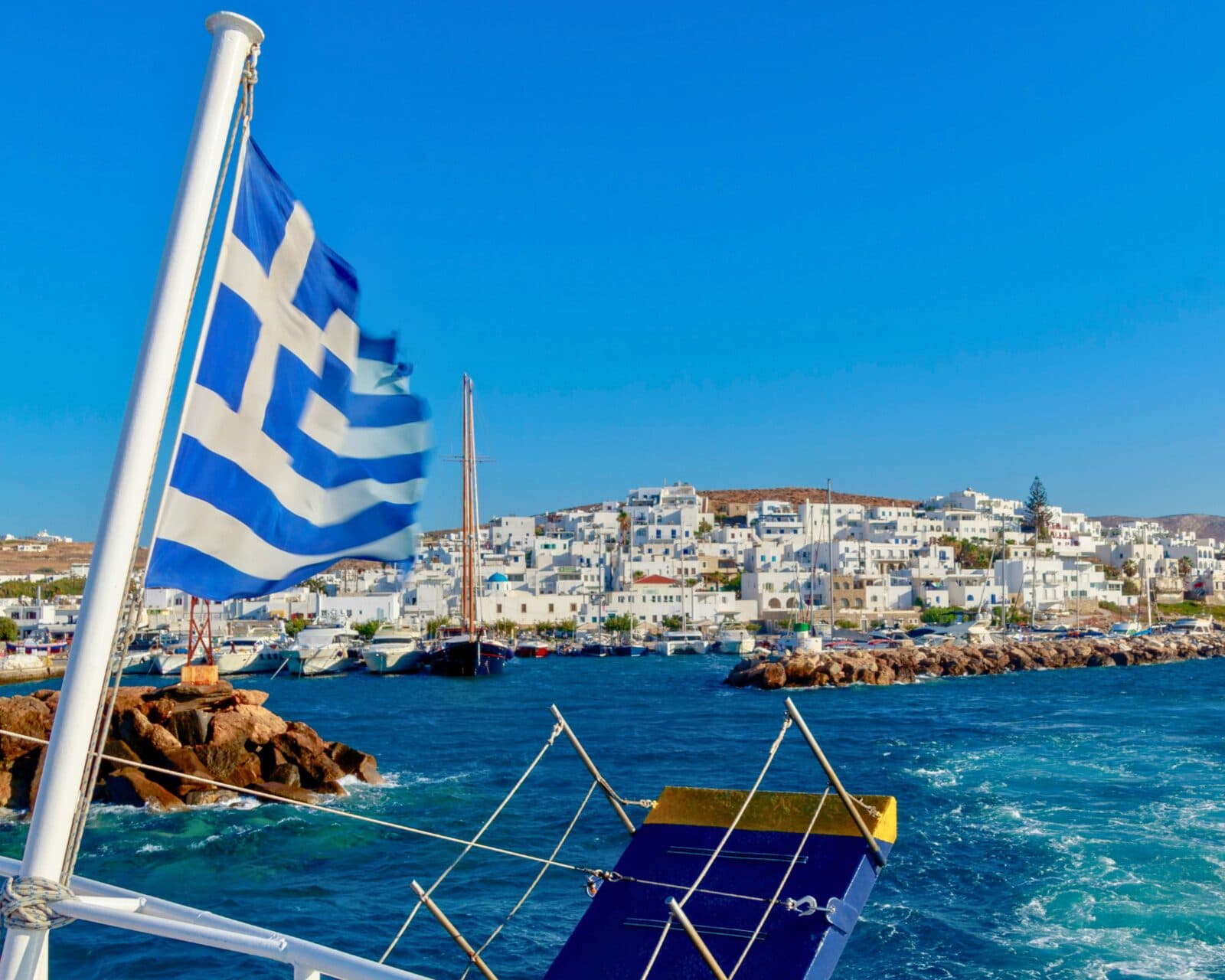
Greek Island Ferry Bookings
Ferries booked in the right order, against the schedule that is actually running rather than the one still showing online. The right boat, the right class, and buffers built in so a tight island hop actually holds together.
Plan the crossingsMore on this in Greek island ferry bookings, Greek island hopping, planned for you and Bespoke Greece itineraries.