Crete travel guide: how to plan your trip
Crete is not really an island in the way the Cyclades are islands. It is two hundred and sixty kilometres end to end, with three airports, its own mountains, and four regions that do not feel like each other. Which part of it you choose matters more than how long you stay.
Who Crete suits
Crete is particularly well suited to travellers who want more from a Greek island than beaches and nightlife. It appeals to couples in their 30s, 40s and 50s, families with children, groups of friends and independent travellers who enjoy having the freedom to explore. It is also a strong choice for mature travellers who appreciate good food, history, wine, nature and authentic local experiences, rather than spending their entire holiday at a resort.
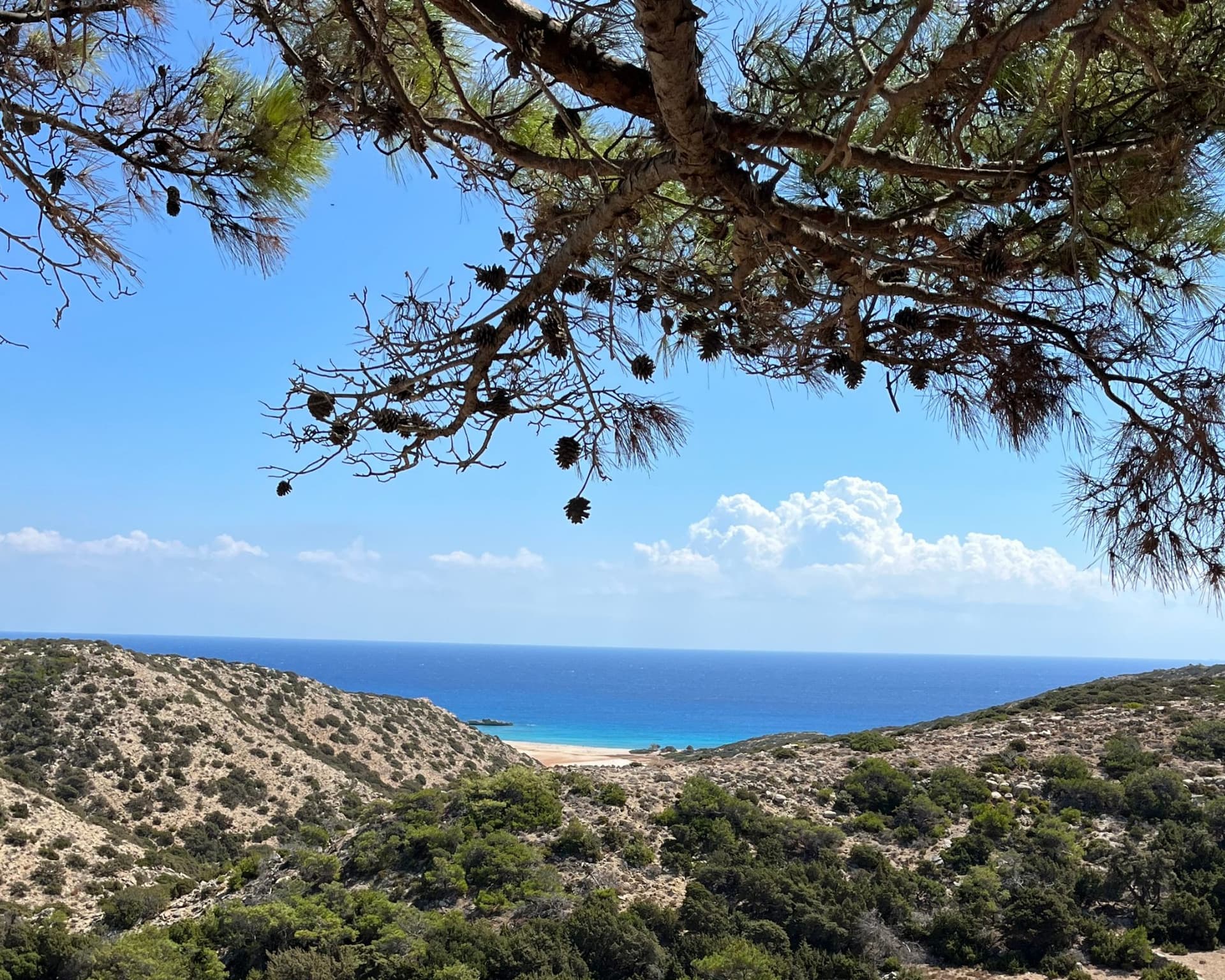
Beach lovers have hundreds of beaches to choose from, while active travellers can explore mountain villages, hiking trails and dramatic gorges. Food and wine enthusiasts will find plenty to keep them busy, from traditional tavernas and local producers to Cretan cooking and wine experiences. History lovers can explore the Minoan sites, Venetian old towns and archaeological museums, while those looking for a more relaxed holiday can simply settle into the slower pace of village life.
Crete also suits travellers who prefer a longer Greek holiday. Its sheer size means it rewards staying for a week or more and moving beyond one resort. It is especially appealing to people who enjoy hiring a car, taking scenic drives and discovering different sides of an island rather than ticking off a short list of sights.
If your ideal Greek holiday combines beautiful beaches, excellent food, culture, nature and a genuine sense of place, Crete is one of the strongest choices in Greece.
Getting there
The first decision is which end of the island, because Chania in the west and Heraklion in the middle are a three hour drive apart.
- Overnight ferry from Piraeus, roughly eight to nine and a half hours to either Souda, the port for Chania, or Heraklion. It sails late evening and arrives early morning, so it costs you a night rather than a day.
- By air from Athens, under an hour to Chania or Heraklion, both of which run year round.
- Direct from Europe, in summer, to Chania and Heraklion, which is how a great many people arrive without touching Athens.
Durations vary by operator and season, so we check the live timetable for your dates rather than working from last year's.
Which region suits you
This is the decision that matters most, and it matters more than how long you stay.
West
First timers, couples, food lovers, and anybody who wants the prettiest combination of towns, mountains and beaches. Chania is the obvious base. The west also works well if what you want is to get off the main tourist circuit entirely.
Centre
For people who want a bit of everything. Rethymno is a particularly good compromise: a proper town, a beach, and access to both sides of the island without constantly changing hotels.
East
Repeat visitors, resort lovers, archaeology, and anyone after a slower holiday. Around Agios Nikolaos and Elounda we send people who want good hotels, good restaurants, swimming, and fewer moments of having to see something.
South
For people who do not really care about ticking off the famous sights. If your idea of a good holiday is a small village, a long lunch, a swim and nowhere you particularly need to be, go south.
Where to stay
West
- Chania Town for restaurants, atmosphere, and evenings you spend on foot.
- Kissamos if beaches and the far west are the priority.
- Platanias or Agia Marina for a straightforward beach holiday with plenty of facilities.
- Paleochora if you want something much more relaxed and distinctly Cretan.
Centre
- Rethymno Town is our first choice, because you get the old town and the beach without choosing between them.
- Panormos or Bali for a quieter, beach-based stay.
East
- Agios Nikolaos if you want a real town, with restaurants and somewhere to wander at night.
- Elounda if the hotel matters more than the town and you want the polished version.
- Sitia if you want to go properly east, for a less packaged Crete.
Heraklion
We would use Heraklion as a short stay around arrival or departure rather than as a base. If a beach holiday is what you are after, the west and the east both give you more of one, and that is where we would put you.
How many days, and can you do two regions
Five to seven nights for one region. Eight or nine for two.
Two regions in a week is possible, and we plan it regularly. It works when you fly into one end of the island and out of the other, take two bases rather than three, and count the drives honestly. The distances do not look frightening on a map, but mountains, winding roads, stopping for lunch and the temptation to actually enjoy yourself all make the journeys longer than they look. Plan for that and a week across two regions is a good trip rather than a rushed one.
Our favourite shape for a first trip is seven nights in the west. With ten to fourteen nights we would happily split it, perhaps Chania and then the east around Agios Nikolaos or Elounda.
The test we apply is simple: move because the second region gives you a genuinely different holiday, rather than to say you have stayed in two. When it passes that test, moving is the best thing you can do with the week.
Combining Crete with another island
Crete is big enough to be the whole holiday, which is why we do not assume a second island here the way we would in the Cyclades. It sits on its own rather than on a hopping line, so a second island is a planned flight or a seasonal boat rather than a casual hop. That is a planning question, not an obstacle, and it is one we solve every week.
If you want an island anyway, Santorini. The contrast is obvious and the connections can work. Crete gives you scale, food, mountains, villages and beaches. Santorini gives you something else entirely.
But our preferred answer is Crete plus more Crete. A week in Chania, then move east. Two very different holidays, and you have not spent a day travelling to another island to get the second one.
If you do want Crete inside a longer route, private Greek island hopping is where we work out whether it belongs at the start or the end of it.
Crete is a road trip disguised as an island
The best parts of Crete happen while you are driving somewhere else.
A mountain village you had not planned to stop in. A roadside taverna with three tables. A small beach you only found because you pulled over. A goat standing in the middle of the road as though it owns it.
The second thing is this: Crete rewards being taken one part at a time. Stay in Chania and the west is your island for the week. Stay in Elounda and the east is. Anything further is a day we plan properly rather than an afternoon you improvise, and both versions are good trips. Pick the part of Crete that matches the holiday you want.
And the most important one. Crete gets better when you stop sightseeing. Give yourself days with no archaeological site, no famous beach and nothing on the schedule. Have lunch. Swim. Drive somewhere for no particular reason. Stay at the taverna longer than you meant to.
That is when Crete stops feeling like somewhere you are visiting and starts feeling like somewhere you could live.
Featured Crete day tours
Two of the 40 we run on Crete.
Best time to visit
| Month | Sea | Crowds | What it is like |
|---|---|---|---|
| April | Cold | Quiet | Green, and the best month of the year for walking. |
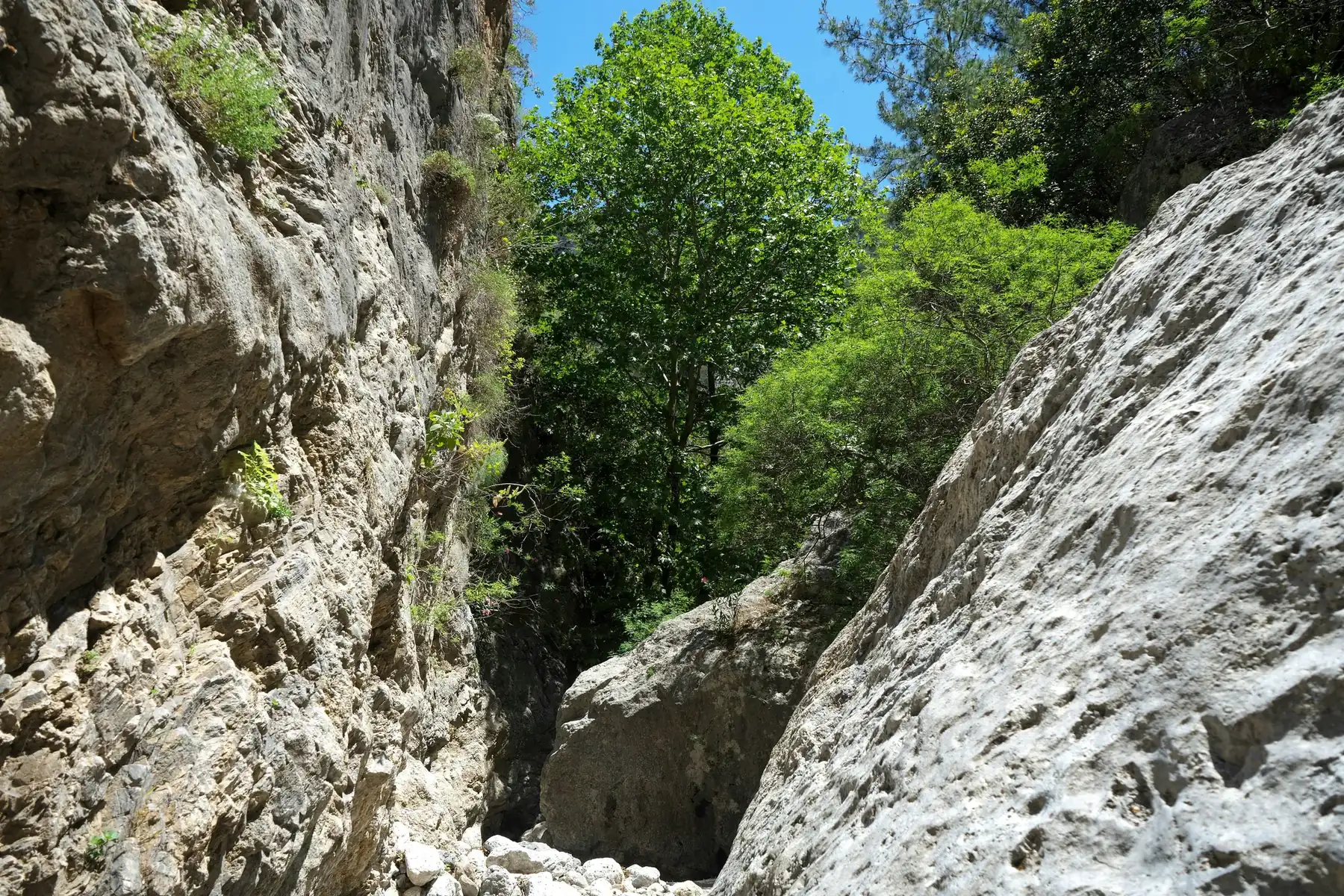
| May | Bracing | Building | Wildflowers, gorges open, comfortable heat. |
| June | Warm | Busy | One of the two months we book most often. |
| July | Warm | Very busy | Hot inland, and the gorges are hard work. |
| August | Warmest | Busiest | Book months ahead. The south coast is the escape. |
| September | Warmest | Easing | The other month we book most often. |
| October | Warm | Quiet | Still swimming, and the island exhales. |
Crete questions we get asked
By overnight ferry from Piraeus, or by air. The first decision is which end of the island, because Chania and Heraklion are about three hours apart by road.
- Overnight ferry from Piraeus: roughly eight to nine and a half hours to Souda, the port for Chania, or to Heraklion. It sails late and arrives early, so it costs a night rather than a day.
- By air from Athens: under an hour to Chania or Heraklion, both year round.
- Direct from Europe: in summer, which is how many people arrive without passing through Athens at all.
Durations vary by operator and season, so we check the live timetable for your dates rather than working from last year's.
Effectively yes. Crete is the one Greek island where the interior is a real part of the trip rather than a view from the coast road.
We arrange the rental with the trip rather than leaving you to a desk at the airport.
The region decides the holiday, and it matters more than how long you stay.
- West: first timers, couples and food lovers. The prettiest mix of towns, mountains and beaches, with Chania as the obvious base.
- Centre: a bit of everything. Rethymno gives you a proper town, a beach and access to both sides of the island.
- East: repeat visitors, resort lovers and archaeology. Agios Nikolaos and Elounda for good hotels, restaurants and swimming.
- South: for people who do not care about the famous sights. A small village, a long lunch, a swim, nowhere you need to be.
We would use Heraklion as a short stay around arrival or departure rather than as a base. If a beach holiday is what you are after, the west and the east both give you more of one, and that is where we would put you.
Five to seven nights for one region. At least eight or nine if you want two.
Two regions in a week is possible and we plan it regularly. It works when you fly into one end of the island and out of the other, take two bases rather than three, and count the drives honestly: mountains, winding roads and stopping for lunch make every journey longer than the map suggests. Our favourite first trip is still seven nights in the west.
Santorini, if you want one, because the contrast is obvious and the connections work. Crete sits on its own rather than on a hopping line, so a second island here is a planned flight or a seasonal boat rather than a casual hop.
It is very doable and we build it often, it just wants deciding early rather than in the last fortnight. Our own favourite answer is still Crete plus more Crete: a week in Chania, then move east. Two very different holidays without spending a day travelling to get the second.
Yes, and more than that: Crete is a road trip disguised as an island holiday. The best parts tend to happen while you are driving somewhere else.
A mountain village you had not planned to stop in, a roadside taverna with three tables, a beach you found because you pulled over. Crete rewards being taken one part at a time, so pick the part that matches the holiday you want rather than trying to reach all of it from one hotel.
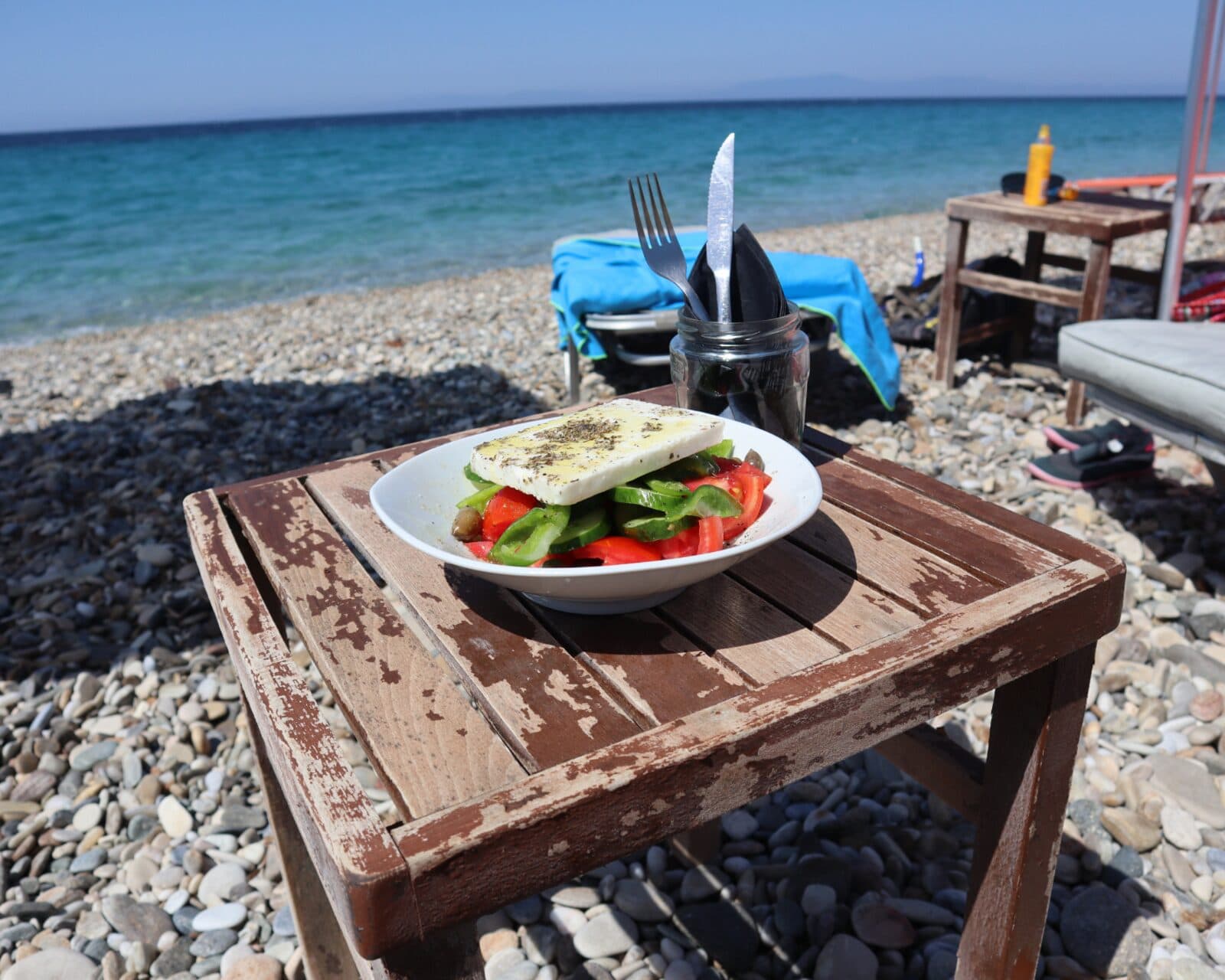
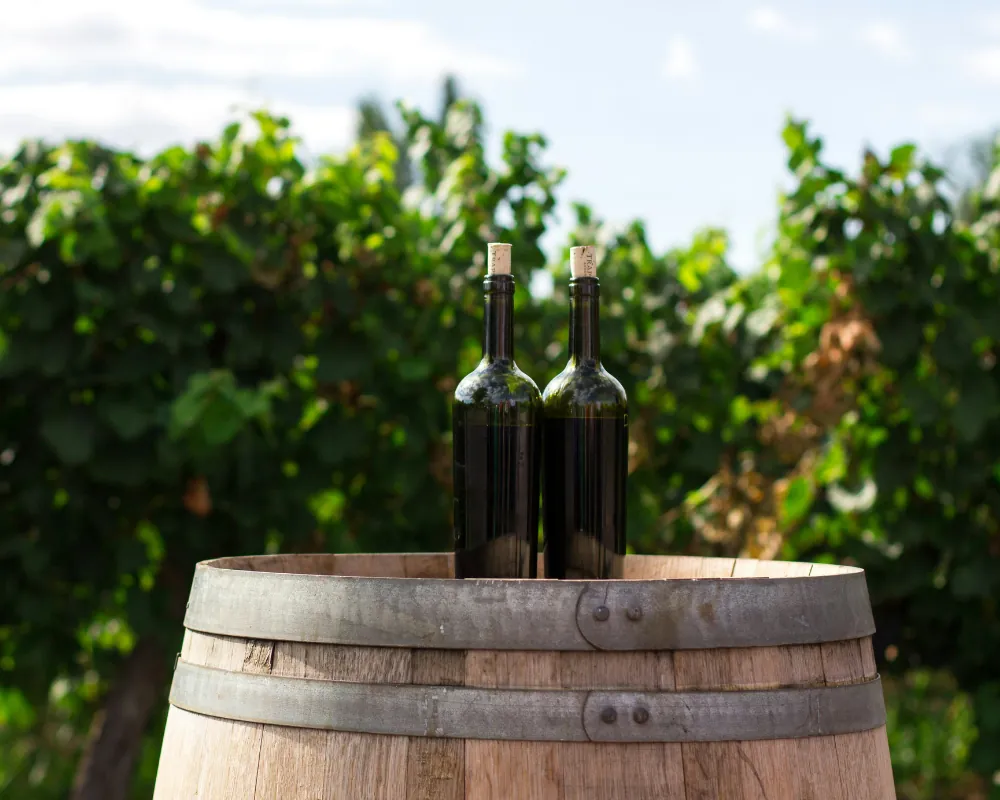
Forty, which is the largest inventory we have on any island. Gorge walks, wine and olive oil days, the Minoan sites, beach hopping and the Battle of Crete tours.
They are weighted towards the west of the island, so where you base yourself changes what is realistically within reach.
How we can help in Crete
A hub is an entrance to the place, not only to the day out. These are the parts of the trip we book around it.
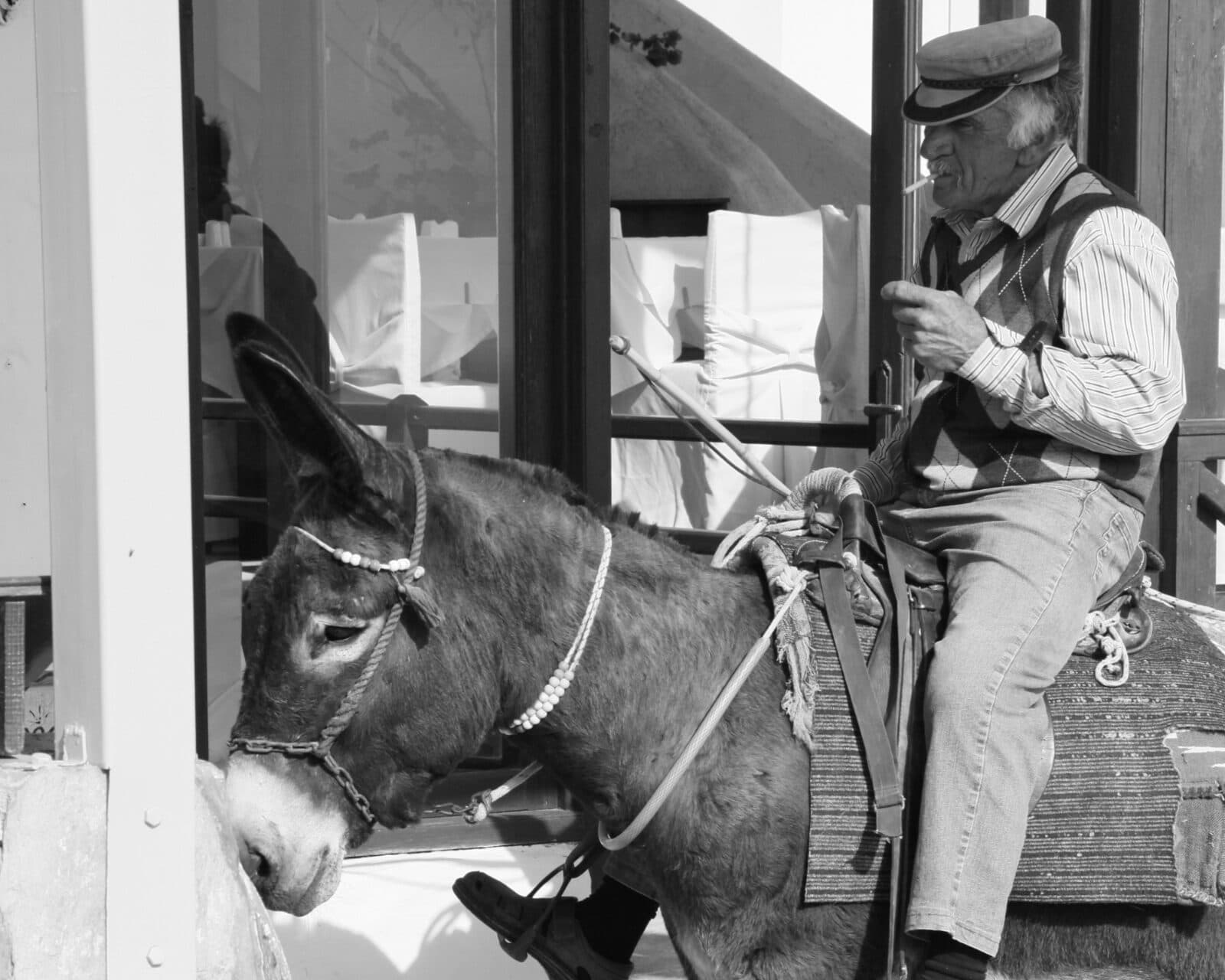 Private transfers on Creteairport and port runs, and the long cross-island drives that are worse than they look on a map.
 Hotels and villas across Greecewe book the room, and on an island this size we start by arguing about which region it should be in.
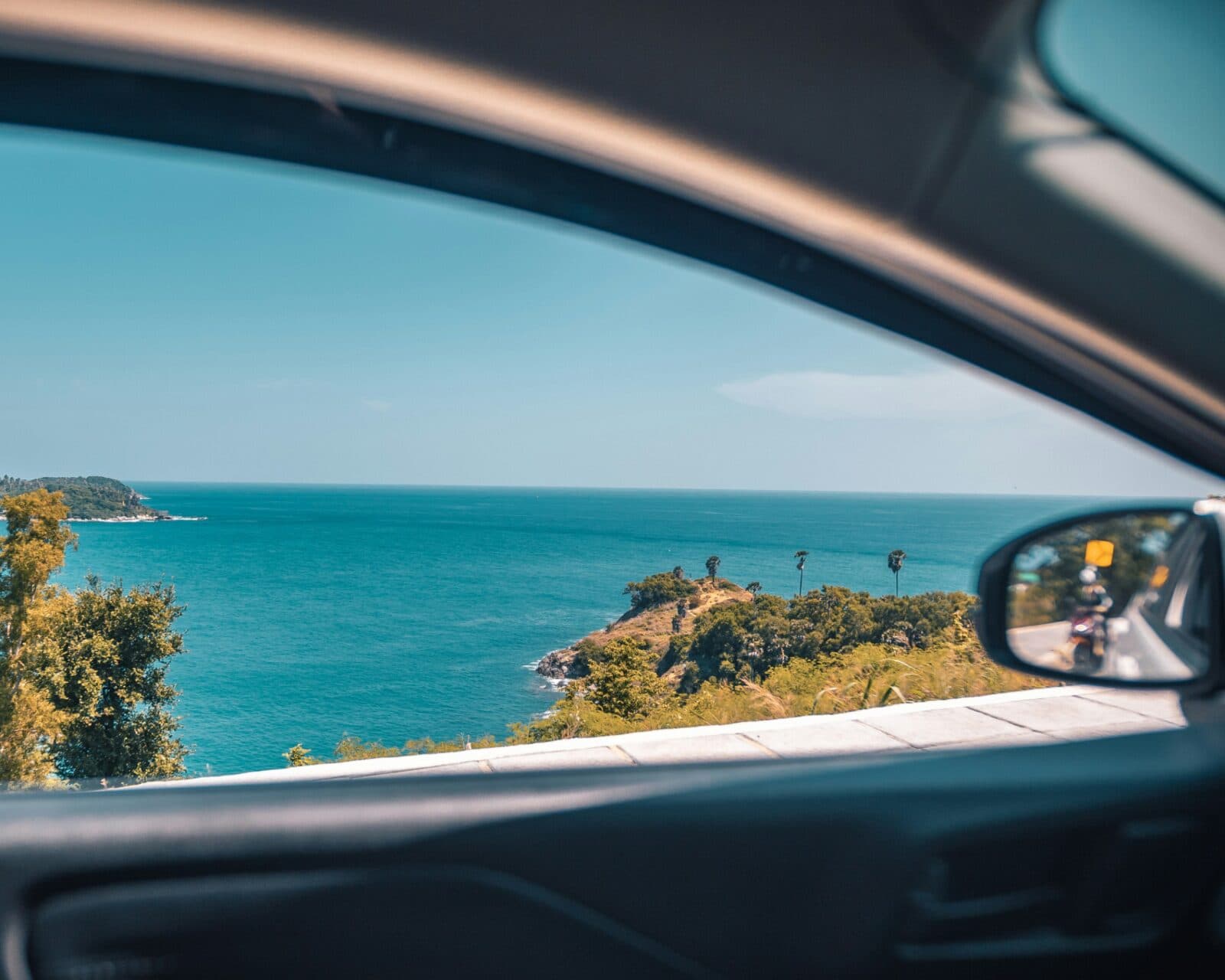 Car rental in Greececlose to essential here. Crete is the one island where the interior is a genuine part of the trip.
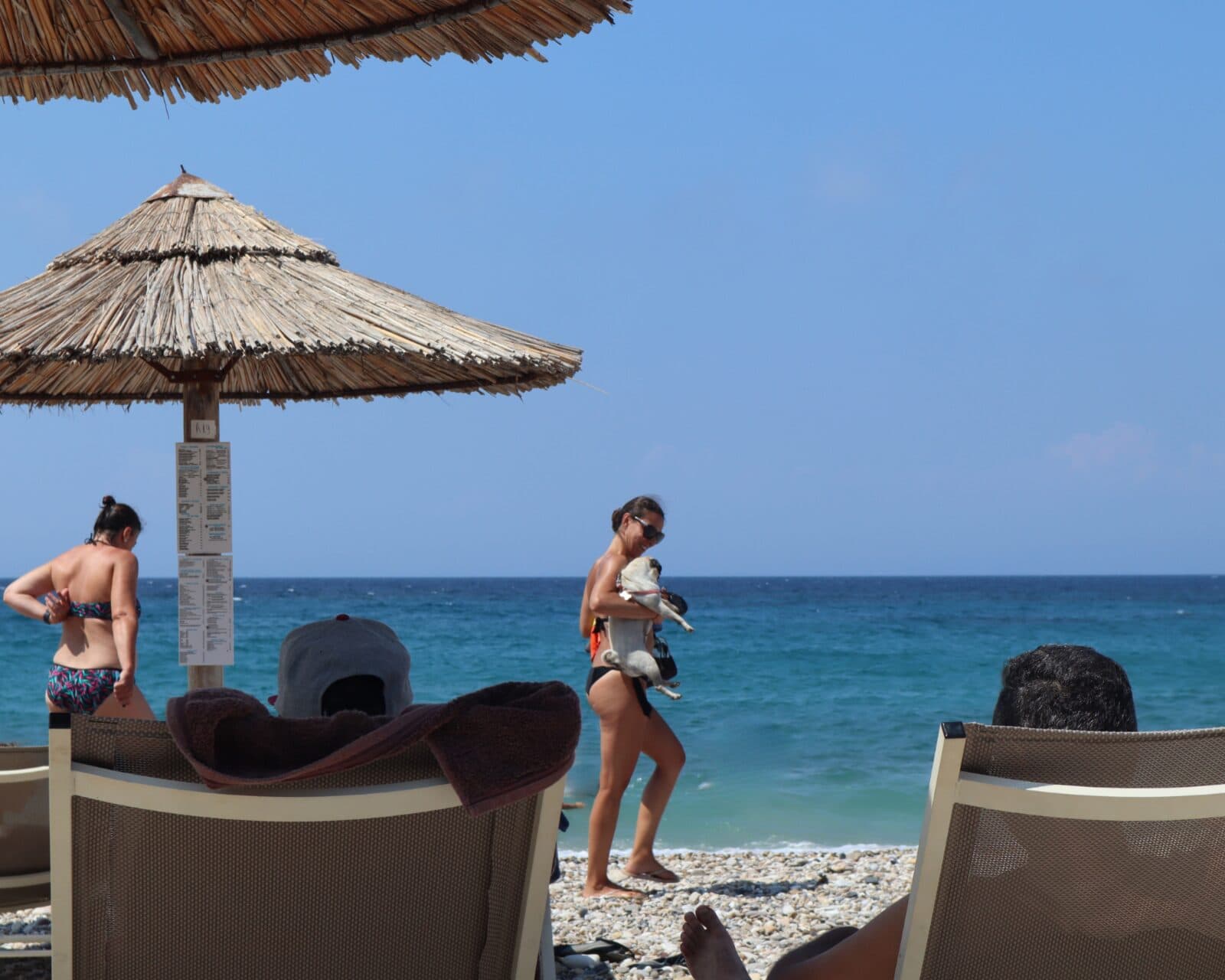 Multi-day guided tourswhen you want the island explained rather than only driven across.
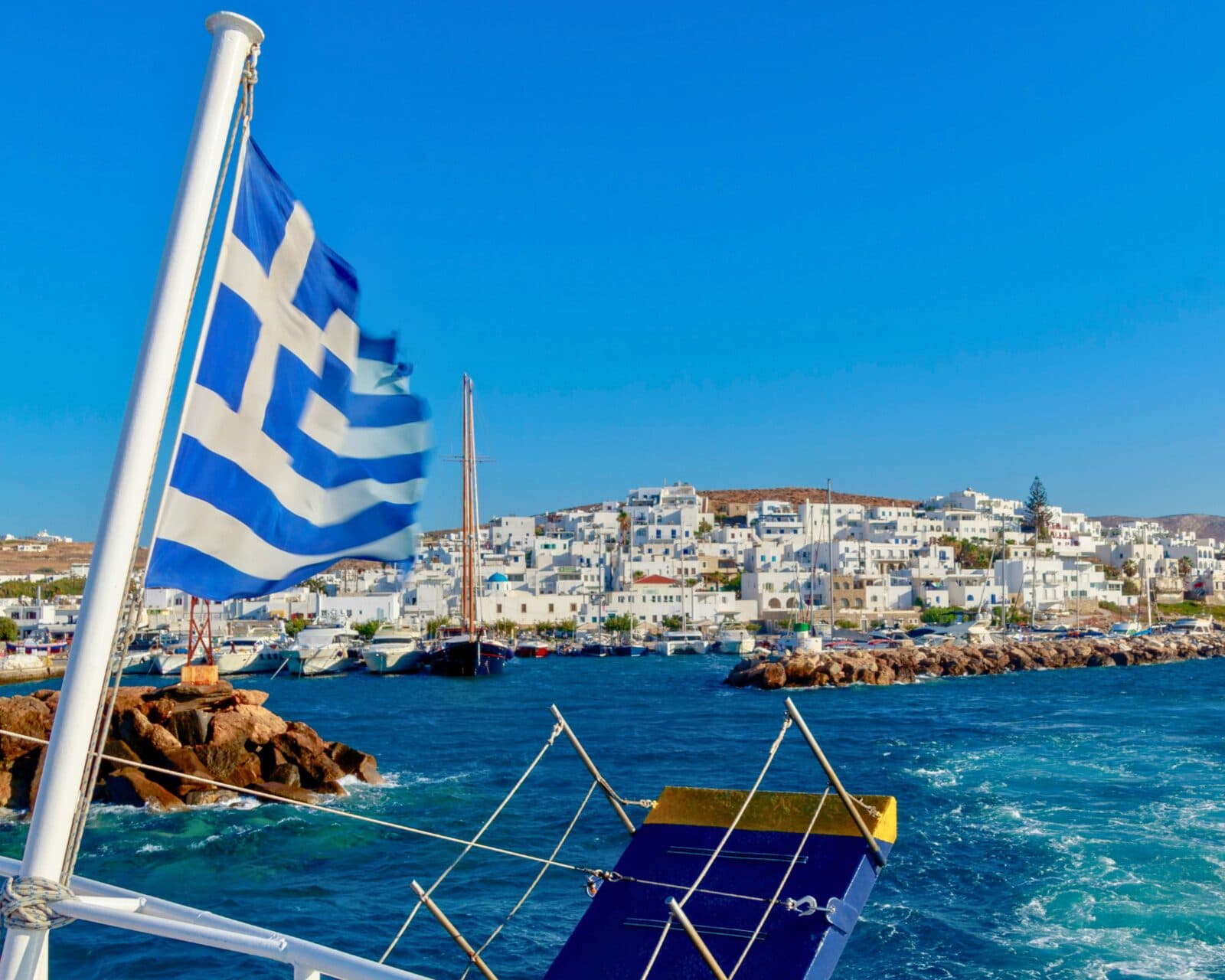 Greek island ferry bookingsthe overnight from Piraeus, and the summer connections east towards Santorini.
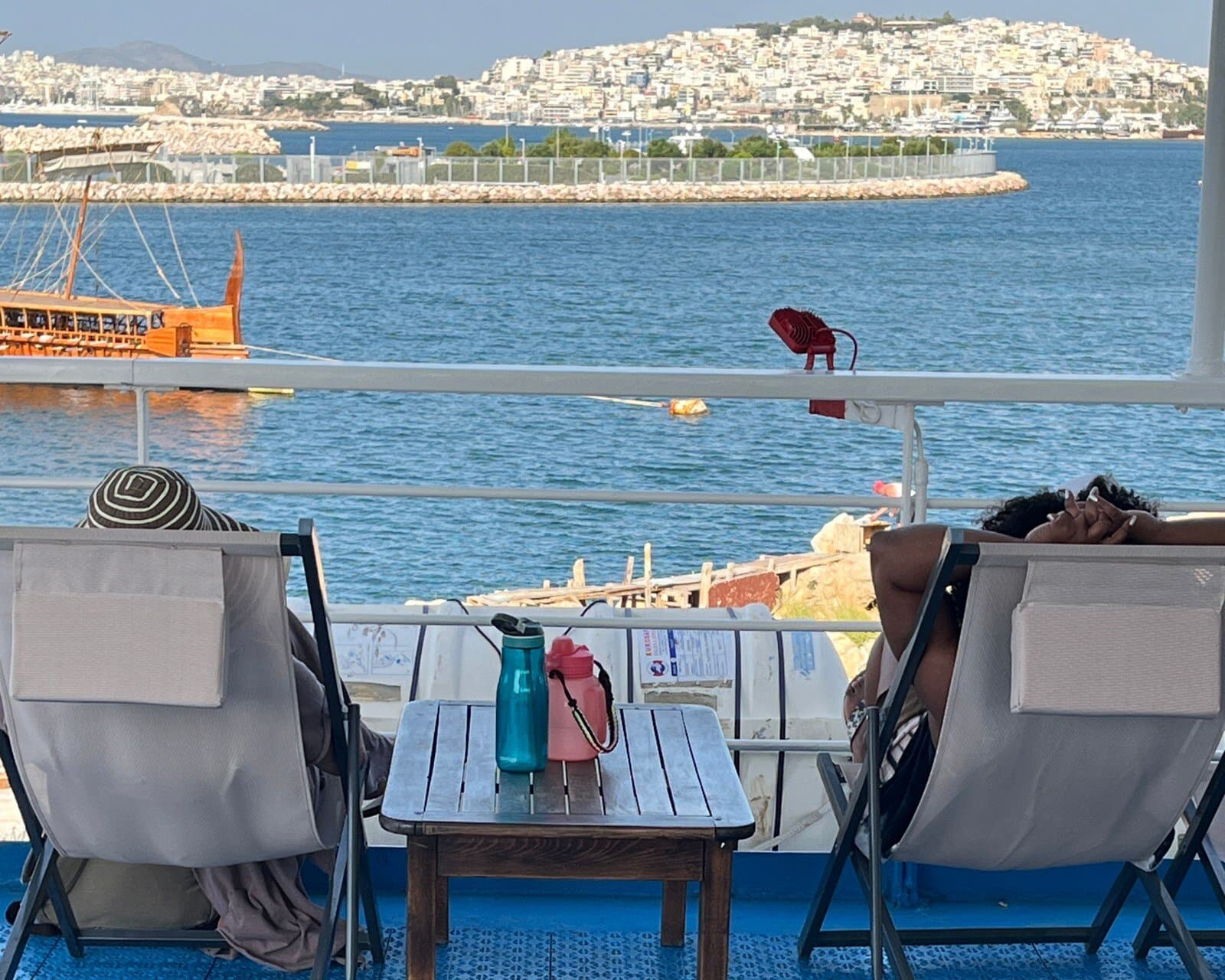 Private Greek island hoppingfor the trips where Crete is one leg rather than the whole holiday.
 Bespoke tours of GreeceCrete rarely fits a template, which is most of why people ask us to plan it.
Planning a trip to Crete
Tell us your dates and roughly what you want the trip to feel like, and we will come back with a plan and a price. We are a licensed Athens agency and we have been doing this for thirty years.