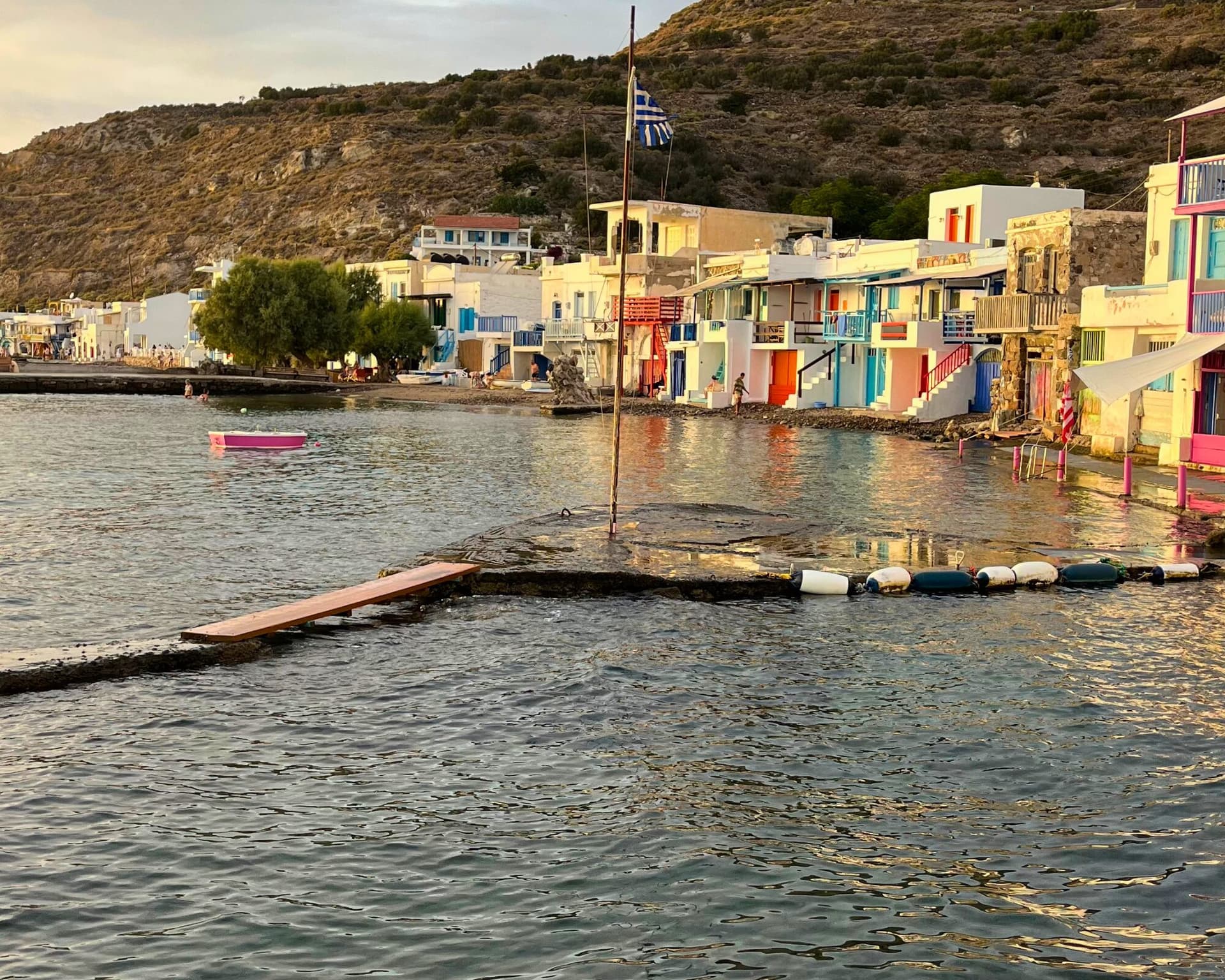
Milos travel guide: how to plan your trip
Milos is a volcanic island in the western Cyclades, and it is shaped by that in a way you notice within an hour of arriving. The rock is white, red, grey and yellow depending on which bay you are in, the best of the coast has no road to it, and the single most famous thing on the island can only be reached from the water. Planning a trip here is mostly a question of how you intend to get around it.
Who Milos suits
Milos is the white island, and we send people who want an alternative kind of beauty to the typical Cycladic postcard. If you have seen the blue domes and want the next thing rather than the same thing again, this is it.
We also send people who have done Greece before and want the landscape rather than the view. This is volcanic geology in the open air: white tuff ridges at Sarakiniko, red and ochre cliffs on the south coast, sulphur mines and a Roman theatre in the same afternoon.
Getting there
Milos is one of the easier Cyclades to reach, because it has both a fast boat from Piraeus and an airport with flights from Athens. Which one suits you depends on how much of the day you want to spend travelling and how much of the journey you want to enjoy.
We wrote the full comparison, including what we do when a ferry runs late: how to get to Milos.
Timetables move with the season and the operator, so we check live schedules for your dates rather than working from last year's. We book the boats as part of the trip through our Greek island ferry bookings.
How many nights
Three nights is the minimum. Four or five is what we book most often, and it is the range we would argue for.
The reason is simple. At three nights you are choosing between the boat day and the beaches, and the boat day always wins. Four or five is where the island stops being a choice between the two and starts opening up.
Where to stay
With a hire car this matters less than the internet suggests, because nothing on Milos is more than about thirty minutes from anything else. Without a car it decides the trip.
- Adamas, the only base that really works without a car. The port, the bus hub, every boat tour, and the most that stays open in May and October.
- Pollonia, our pick for couples. A shallow sandy bay you can walk into, the best waterfront tavernas, and the Kimolos ferry at the end of the street.
- Plaka, the hilltop capital, for sunset and dinner with a view.
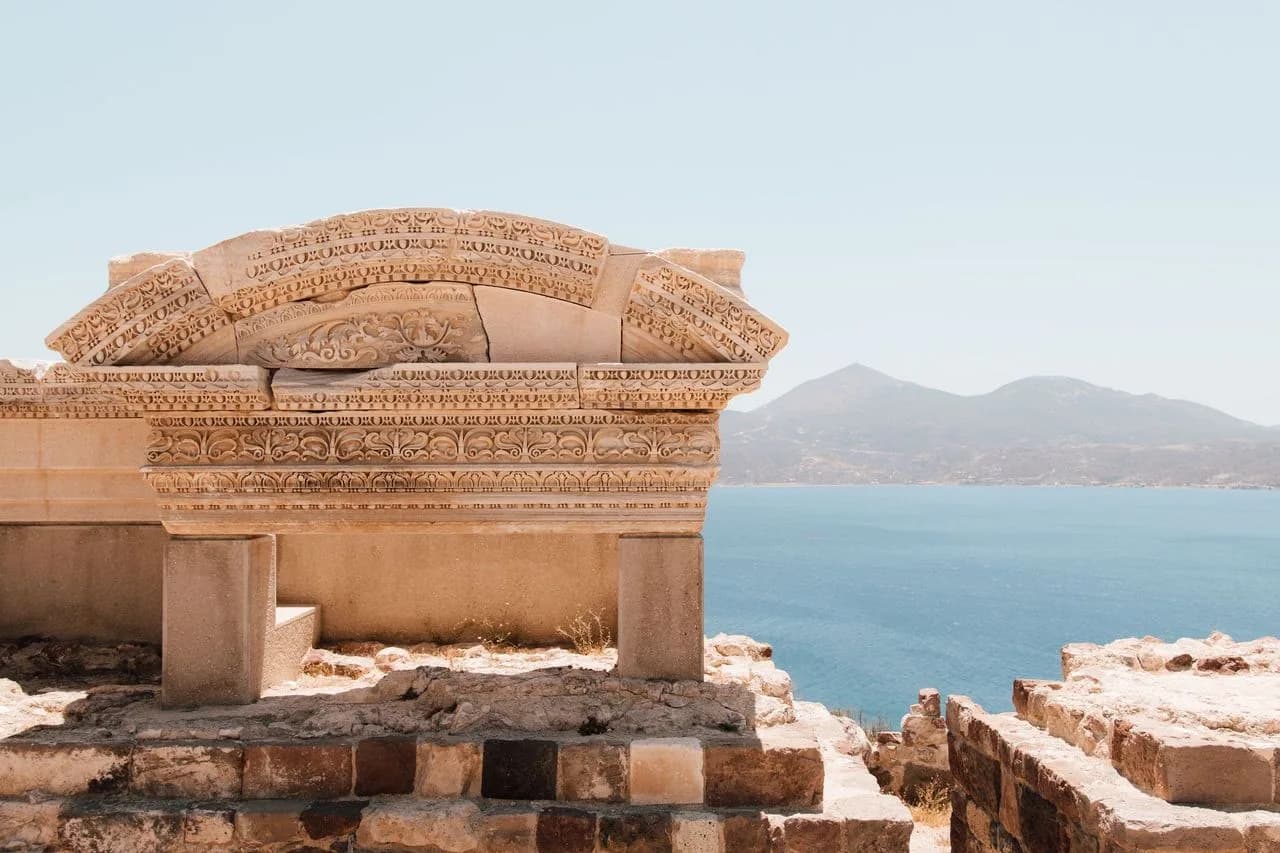
- Trypiti, just below Plaka, quieter and cheaper, sitting on the catacombs and the Roman theatre above Klima.
We book the room as part of the trip through our hotels and villas across Greece, and on an island this compact we would rather argue about the village than the hotel.
The coastline is the island
Seven of our eighteen Milos tours are on a boat, and that is not an accident of what we happen to sell.
Kleftiko, the sea caves on the south west corner, has no road to it. Polyegos, the uninhabited island across the strait with the clearest water in the group, is a boat trip by definition. A good part of the western side of Milos is dirt track that ordinary hire cars are not meant to be on, which is why the off road day out exists at all.
So the practical planning question on Milos is not which sights to tick off. It is how many days on the water you want, and in what: a shared catamaran with twenty five people, a sailing boat with twelve, a rib that goes where the big boats cannot, or a private charter for the day.
Where the tours leave from
Tours leave from one of two places, and they are at opposite ends of the north coast. The shared catamaran cruises and the private catamaran sail from Adamas, the main port. The land tours, the rib boats, the motor yacht and the monohull sailing trips, including the full day to Polyegos and Kleftiko, leave from Pollonia.
It is a short drive between them, but it is a drive, and it is the reason we ask where you are staying before recommending a tour rather than after. Transfers are quoted with the tour so you can see what the day actually costs from where you are.
When the season runs
Late April to the end of October, opening and closing in stages. The land tours and the walking tour start on 20 April. Most of the boats follow in early May. By June everything is running, including the wellness sessions and the photography tour, which keep the shortest season of the lot and finish at the end of September.
At the far end, the rib boats, the motor yacht and the morning catamaran to Kleftiko run to the end of October, which makes a late trip here more workable than on a lot of islands.
One local quirk worth planning around: most Milos tours run daily except Fridays.
Do you need a car
We always recommend one. The buses reach Adamas, Plaka, Pollonia and Sarakiniko, but they thin out after dark, and most of the beaches people come here for are not served at all.
A standard car handles Sarakiniko, Pollonia and Provatas. The west coast and parts of the south are rutted dirt track, and this is the part worth reading twice: most rental agreements quietly void the collision cover the moment you leave the asphalt. That is the real reason the west side is a guided 4x4 day rather than a self drive one.
Automatics and 4x4s go first in July and August, so book the car rental in Greece when you book the room, not when you land.
Combining Milos with another island
Milos sits on the Western Cyclades line, so the honest answer is to pair it with what the ferries already serve. Sifnos is the easiest, then Serifos and Folegandros on the same line. Santorini is a genuine second island on the fast boat and the obvious contrast.
Mykonos and Naxos are the pairings people ask for most, and they are the ones that need the most planning to get right. They sit on a different ferry line, so the crossing is less frequent than the map suggests and more exposed to the wind. We build these trips regularly. It is a question of picking the right connection, leaving the right amount of room around it, and flying that leg instead when the boat does not fit the dates.
Kimolos earns its place for the opposite reason. It is a short hop from Pollonia, which is why we sell it as a day trip that never costs you a night. Private Greek island hopping is where we build the route around all of that.
What first timers get wrong
Kleftiko is not a beach you can drive to.
It is boat only, unless you want a ninety minute exposed hike in each direction. People arrive having seen the photograph and assume there is a car park behind it.
The second thing is scale. Milos is the fifth largest island in the Cyclades, with a west coast most visitors never reach at all, and it is routinely planned as though it were a small island you can see in two days.
The third is the expensive one. People leave the boat day until they arrive. In July and August that is how you end up on the boat nobody else wanted, on the one windy day of the week.
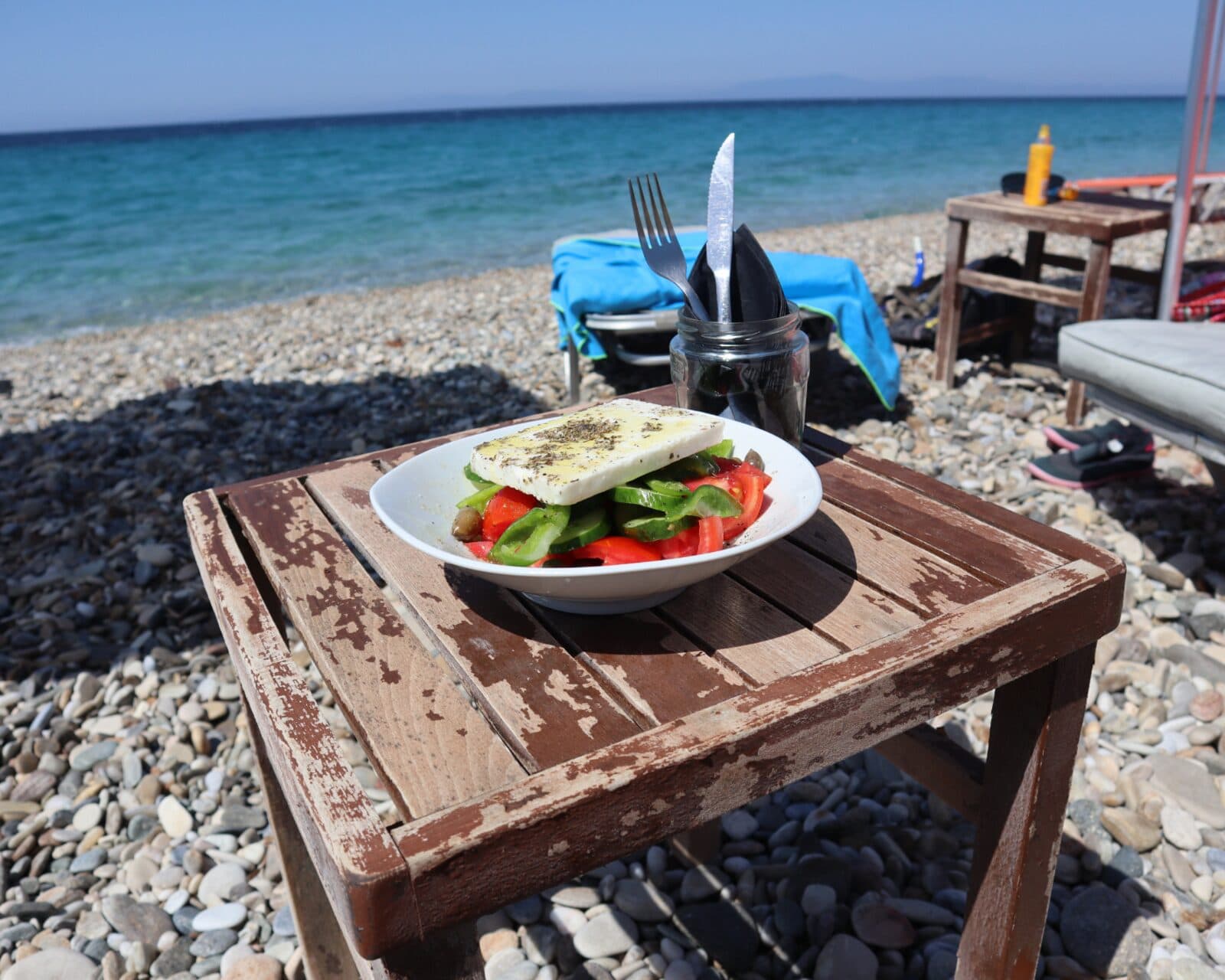
Featured Milos day tours
Two of the 18 we run on Milos.
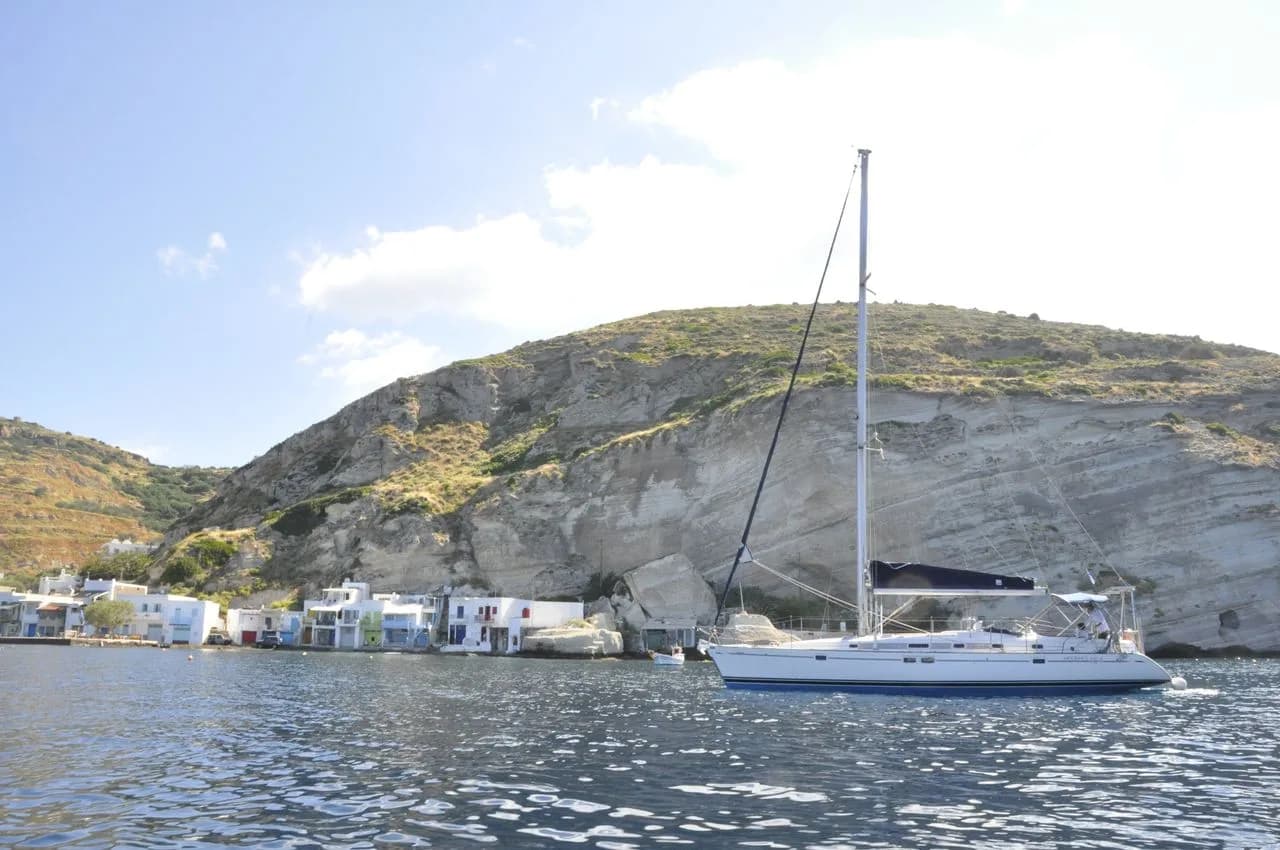
Best time to visit
The sea lags the air by about two months, which is the most useful thing to know when you are picking dates. June water sits around 23C and September water around 24 to 25C, so September swims better even though it feels later in the year.
July and August are hottest, busiest and peak Meltemi, and the wind matters more here than on most islands because the Kleftiko day is the centrepiece and wind cancels boats. October is the quiet secret: sea near 21 to 22C, and the low autumn light does things to the white rock that summer sun never manages.
| Month | Sea | Crowds | What it is like |
|---|---|---|---|
| April | About 17C | Very quiet | The island waking up, wildflowers, some places still shut. |
| May | 18 to 19C | Quiet | Best hiking, boat tours starting, swimming for the hardy. |
| June | About 23C | Busy but bearable | The best all round month. Long light, everything open. |
| July | 24 to 25C | Busy | Hot, strong Meltemi, and boat days start getting cancelled. |
| August | About 25C | Peak | Hottest and fullest. Book everything months ahead. |
| September | 24 to 25C | Easing through the month | August's sea without the queues. Our pick. |
| October | 21 to 22C | Quiet | Warm sea and the best light of the year, with closures from late in the month. |
| November to March | 16 to 18C | Empty | A local island. Thin ferries and most tourism closed. |
Milos questions we get asked
Two ways, and unusually for an island this size the plane is a real option rather than a luxury. There is a fast ferry from Piraeus and a short flight from Athens, and which one suits you depends on your dates and how you want to spend the day.
We compare them properly in how to get to Milos, including what we do when a ferry runs late. Durations and frequencies move with the season and the operator, so we check the live timetable for your dates rather than working from last year's.
Three nights at the least, and four or five is what we book most often.
At three nights you are choosing between the boat day and the beaches, and the boat day always wins. Four or five is where the island opens up.
With a hire car this matters less than the internet suggests, because nothing on Milos is more than about thirty minutes from anything else. Without a car it decides the trip.
- Adamas: the only base that really works without a car. The port, the bus hub, every boat tour, and the most that stays open in May and October.
- Pollonia: our pick for couples. A shallow sandy bay you can walk into, the best waterfront tavernas, and the Kimolos ferry at the end of the street.
- Plaka: the hilltop capital, for sunset and dinner with a view.
- Trypiti: just below Plaka, quieter and cheaper, sitting on the catacombs and the Roman theatre above Klima.
We always recommend one. The buses reach Adamas, Plaka, Pollonia and Sarakiniko, but they thin out after dark and most of the beaches people come for are not served at all.
A standard car handles Sarakiniko, Pollonia and Provatas. The west coast and parts of the south are rutted dirt track, where most rental agreements quietly void the collision cover. Automatics and 4x4s go first in July and August, so book the car when you book the room.
Whatever the Western Cyclades ferry line already serves, which is what makes the second island easy rather than a gamble.
- Sifnos: the easiest pairing of all, then Serifos and Folegandros on the same line.
- Santorini: a genuine second island on the fast boat, and the obvious contrast.
- Kimolos: a short hop from Pollonia, which is why we sell it as a day trip that never costs you a night.
Mykonos and Naxos are the ones people ask for most, and they are the ones that need the most planning. They sit on a different ferry line, so the connection is less frequent than the map suggests and more exposed to the wind. We build them regularly, choosing the crossing carefully and flying that leg instead when the boat does not fit the dates.
Not really. Kleftiko is on the south west corner with no road to it, and the sea caves are the whole point of going.
There is one way to arrive on foot: our hiking and sailing tour walks in across the Natura 2000 land on the west side, swims there, and leaves by boat. Everything else that reaches it, from the shared catamaran to a private charter, goes by sea.
Late April to the end of October, opening and closing gradually rather than all at once.
- From 20 April: the land tours, the walking tour and the half day catamaran to Kleftiko.
- From early May: most of the boats, including the sailing trips to Polyegos and Kleftiko.
- June to September: everything is running, including the yoga and photography sessions, which keep the shortest season of all.
- Into late October: the rib boats, the motor yacht and the morning catamaran to Kleftiko run latest, to the end of the month.
Most tours run daily except Fridays, which is a Milos quirk worth knowing when you are choosing which day to do what.
How we can help in Milos
A hub is an entrance to the place, not only to the day out. These are the parts of the trip we book around it.
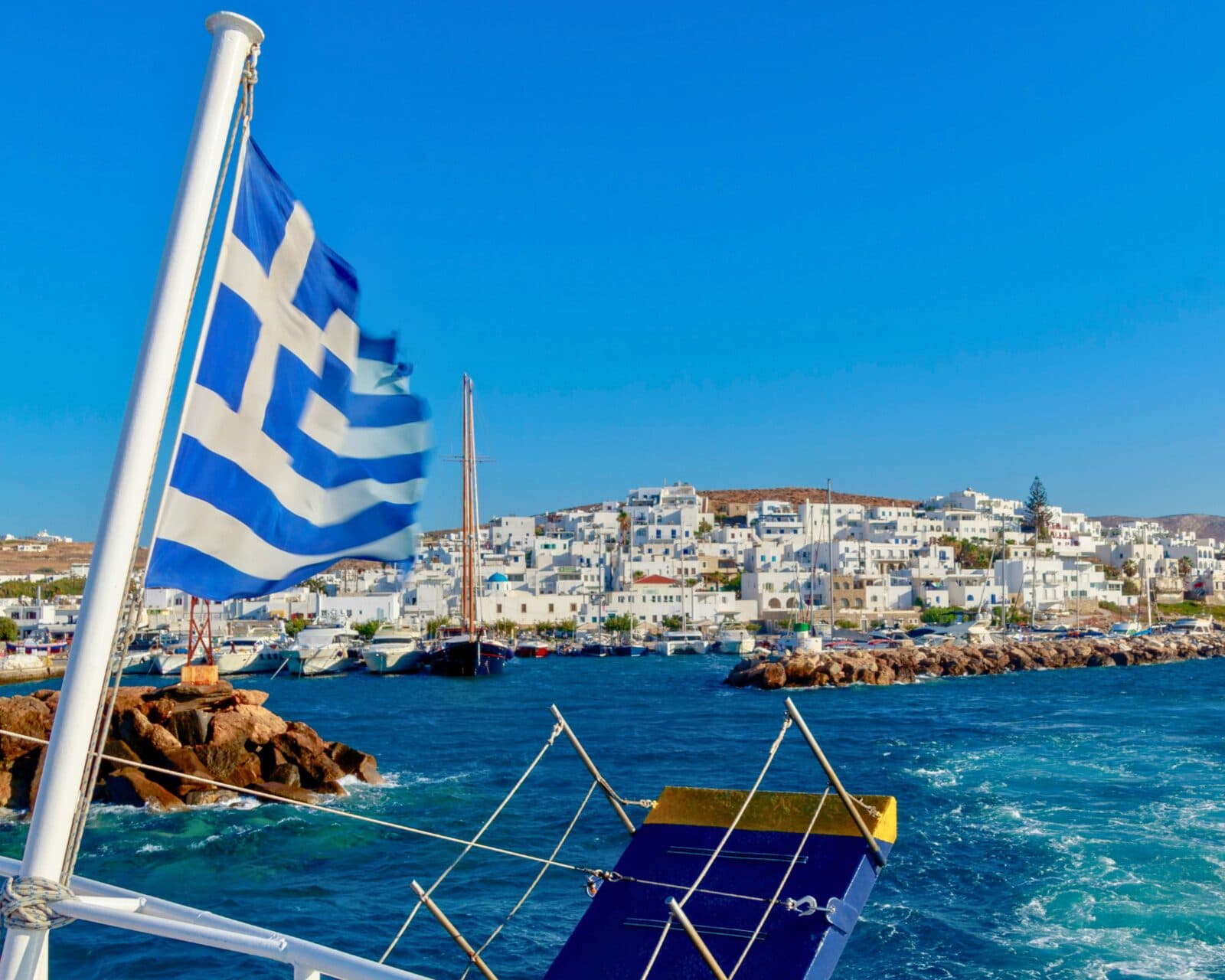 Greek island ferry bookingsthe high speed boats from Piraeus, and the connections on towards the rest of the Cyclades.
 Private transfers on Milosport and airport runs, and the drive between Adamas and Pollonia that decides which tours are easy for you.
 Hotels and villas across Greecewe book the room, and on Milos the village you pick changes how the whole week works.
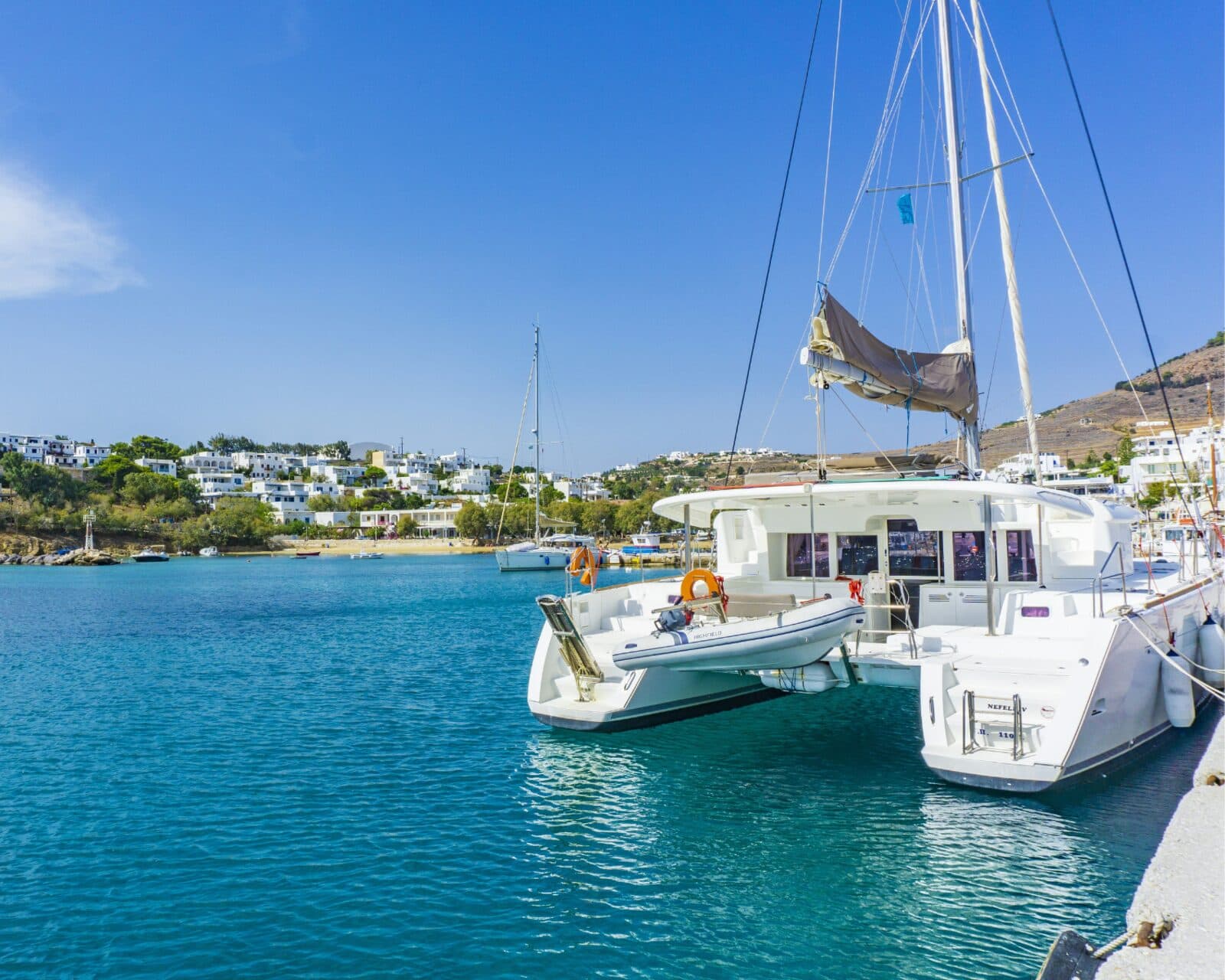 Catamaran charters in Greecewhen the day on the water is the holiday rather than an excursion inside it.
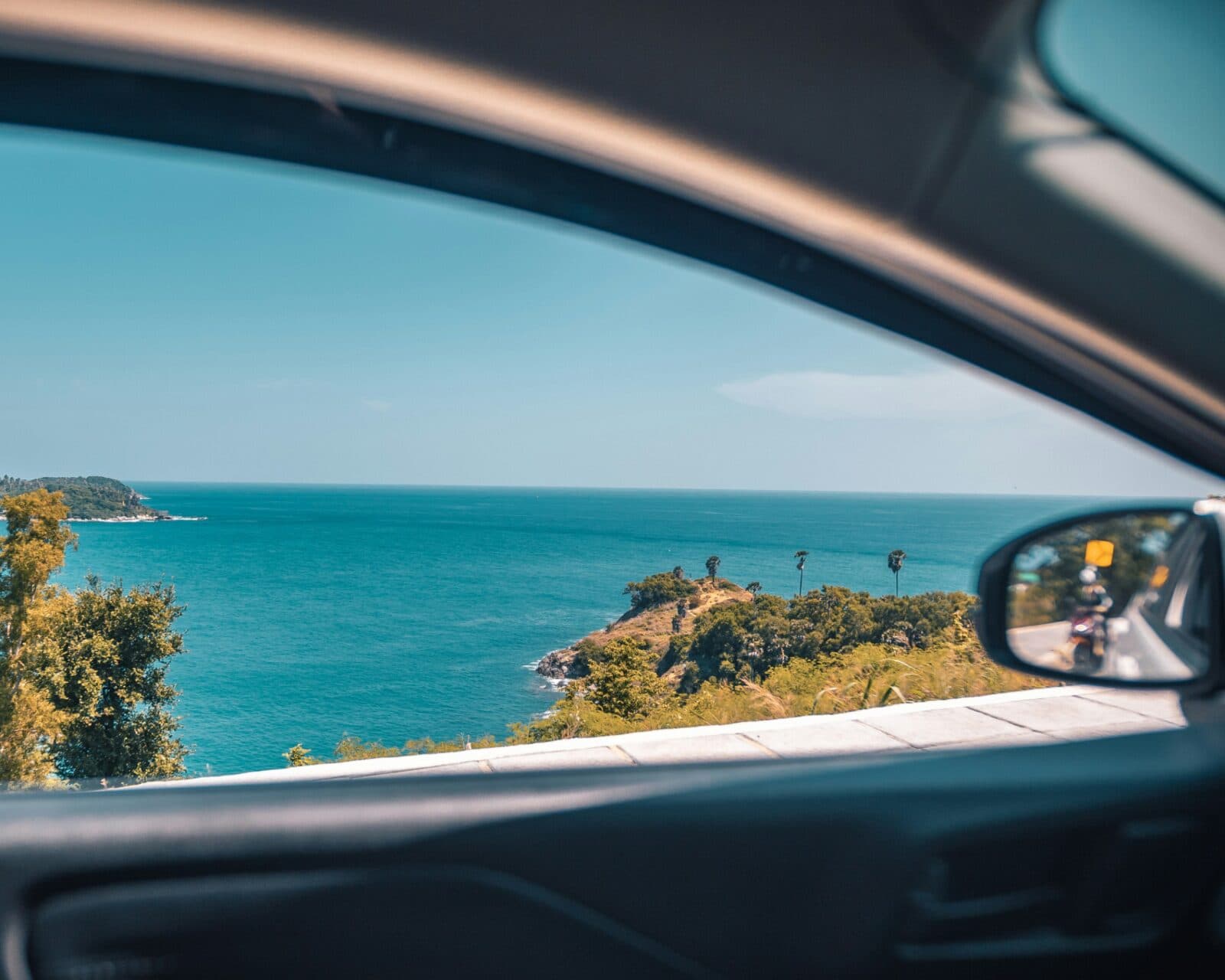 Car rental in Greecefor the villages, the beaches you drive to and the days you would rather not be on a schedule.
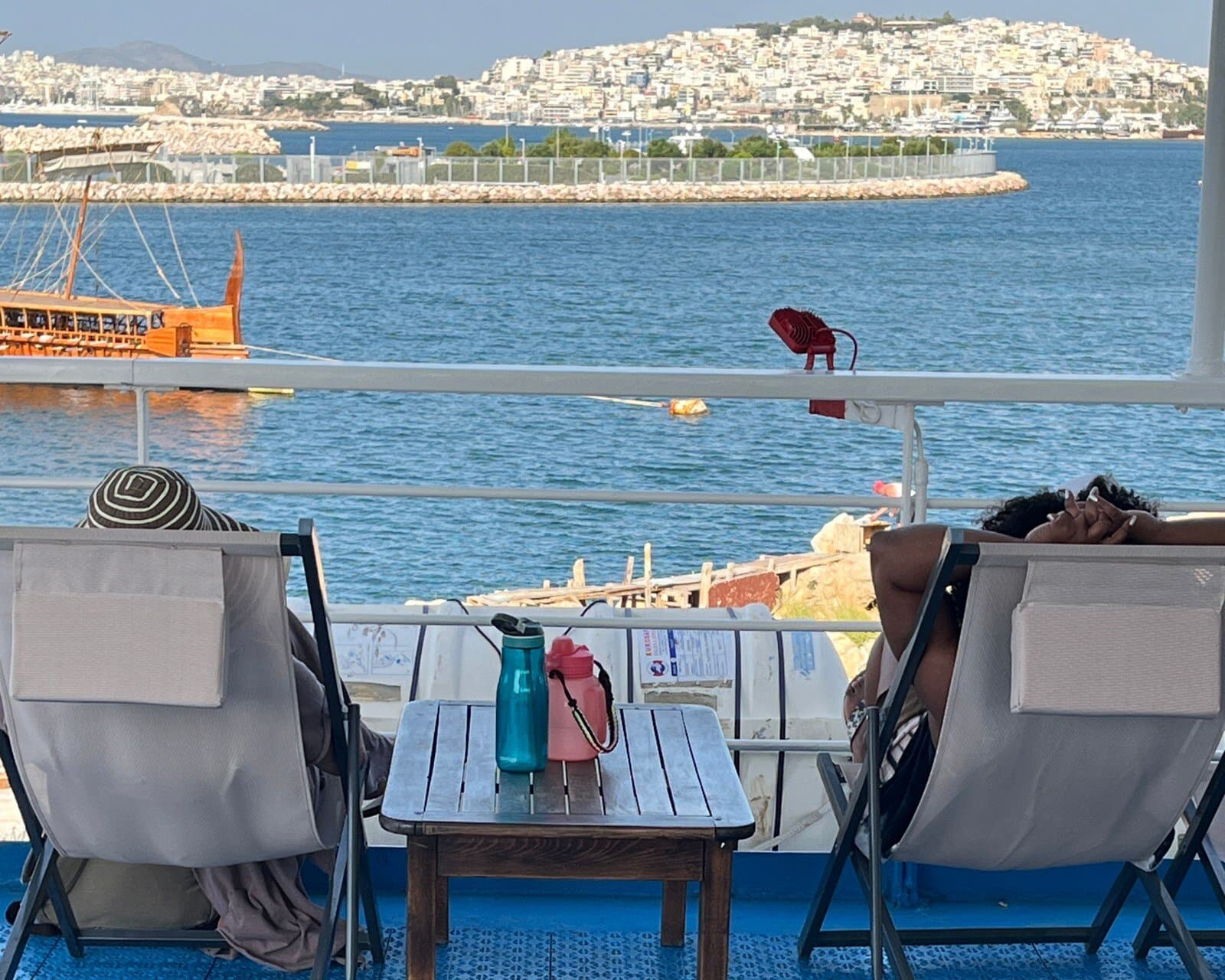 Private Greek island hoppingMilos is usually one island in a route, and the route is the part worth planning.
 Bespoke tours of GreeceMilos is usually one leg of something longer, and that is the part worth planning properly.
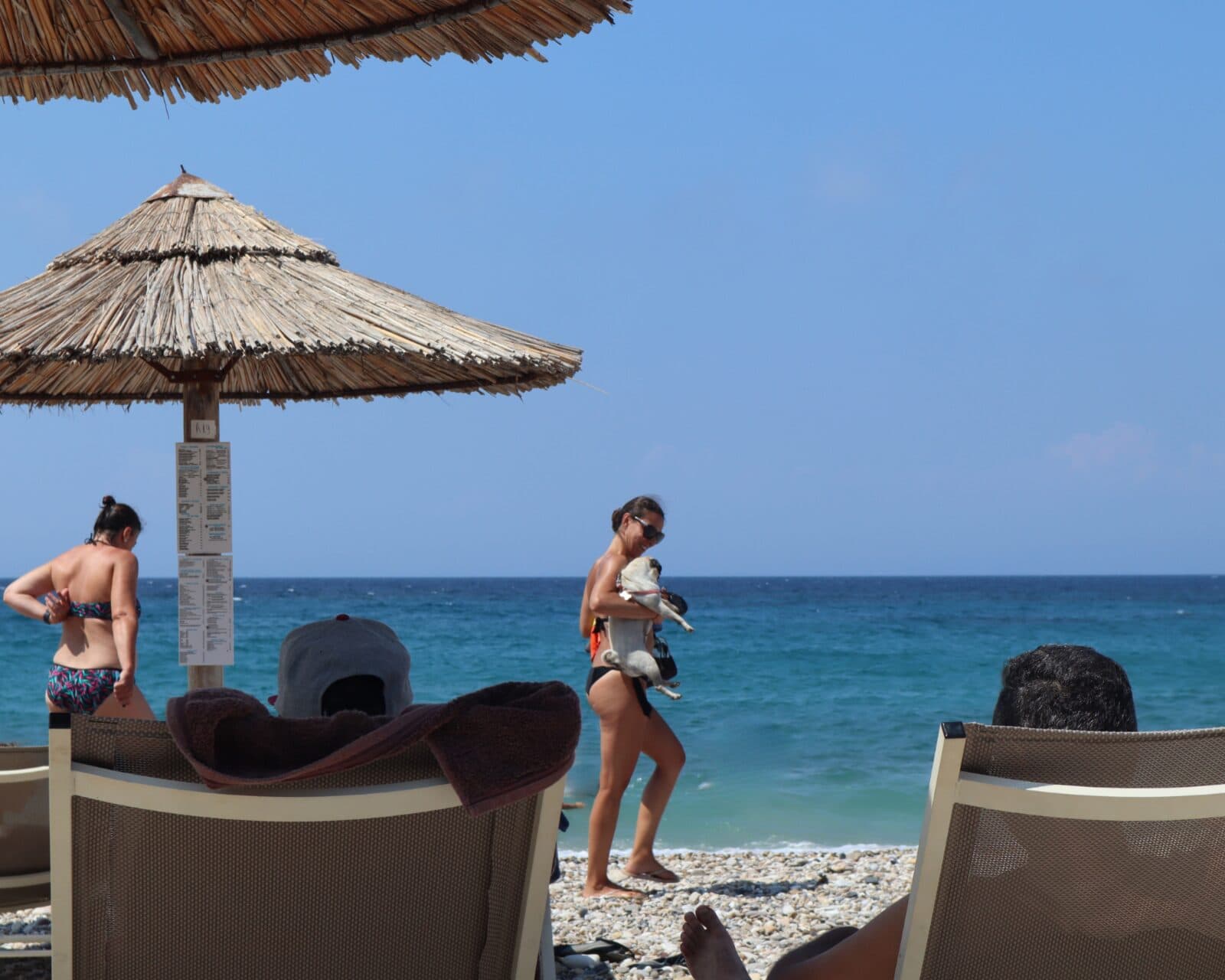 Small-group guided tours of Greecethe Authentic Greece tour finishes on Milos, if you would rather be taken than plan it.
Planning a trip to Milos
Tell us your dates and roughly what you want the trip to feel like, and we will come back with a plan and a price. We are a licensed Athens agency and we have been doing this for thirty years.